
The South Africa Water Crisis Explained (2026)
A plain-language explainer on why South African taps run dry — infrastructure, demand, and what you can actually control on your site or at your event.
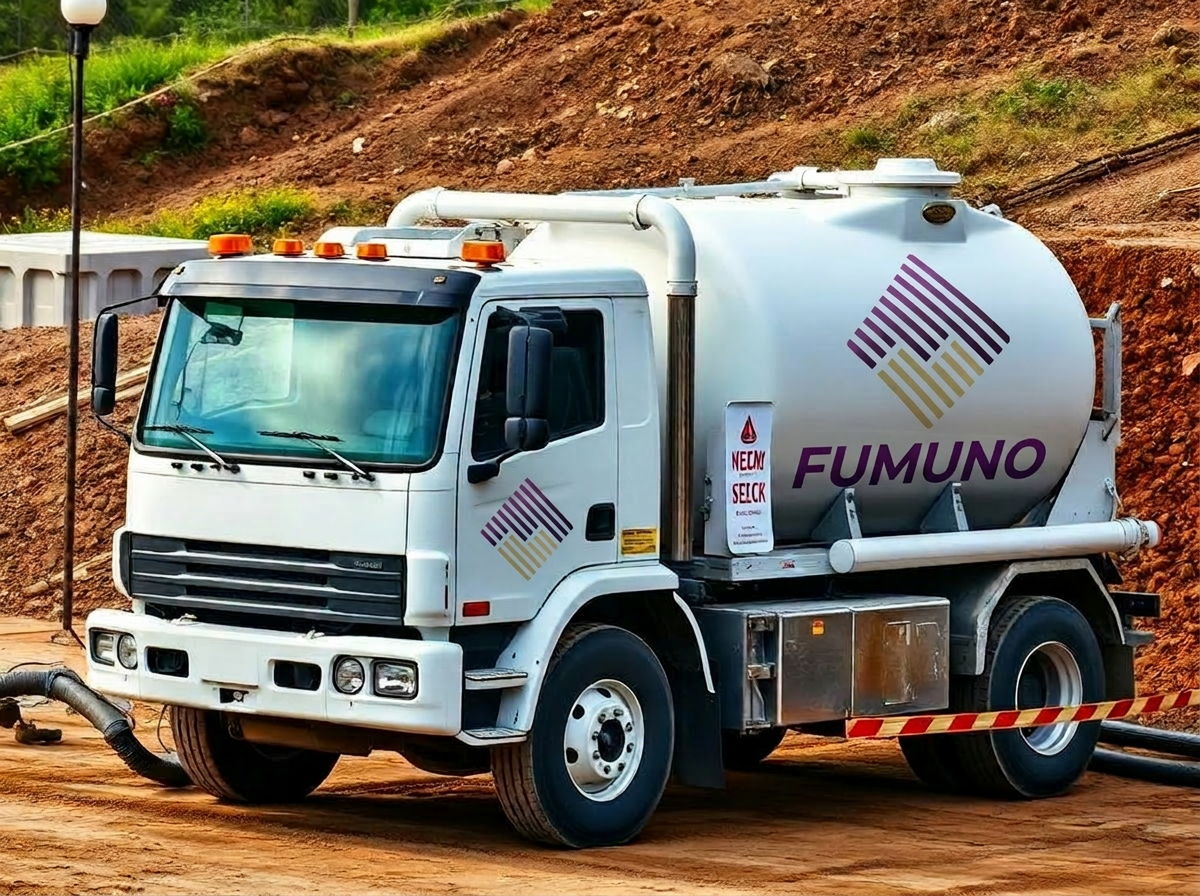
"Water crisis" gets used to describe two very different problems in South Africa, and mixing them up is why so much of the public debate goes nowhere. The first is water scarcity — how much raw water the country physically has. The second is water supply failure — whether the water that exists actually reaches your tap. Most Gauteng residents are experiencing the second problem, not the first.
South Africa is a naturally dry country
South Africa sits well below the global average for rainfall, and the Department of Water and Sanitation classifies the country as water-scarce. Rainfall is also unevenly distributed: the economic heartland of Gauteng generates a large share of national GDP but has no major river of its own, which is why it depends on water transferred in from the Lesotho Highlands and the Vaal system.
But the taps run dry for a different reason
Even in years when dam levels are healthy, Johannesburg, Tshwane and Ekurhuleni suburbs still lose supply for days at a time. That is a distribution problem, not a dam problem. The usual causes:
- Non-revenue water — treated water lost to leaks, burst mains and unbilled use before it reaches a customer. Municipal loss rates in South Africa are widely reported to be far above international good practice.
- Reservoir and tower levels that cannot recover, because demand outruns the rate at which pump stations can refill them.
- Pump station failures during load reduction or electricity outages.
- Ageing pipe networks where repairs are reactive rather than planned.
- Wastewater treatment works operating outside compliance, which affects river quality downstream rather than tap pressure directly.
The tank is not empty. The pipes between the tank and your tap are the bottleneck.
Who is actually responsible for what
| Body | Responsibility |
|---|---|
| Department of Water and Sanitation | National policy, dams, bulk resource planning, licensing |
| Rand Water (bulk supplier) | Treats and pumps bulk water into municipal reservoirs in Gauteng |
| Local municipality (e.g. Joburg Water, Tshwane) | Reticulation — the pipes, reservoirs and meters that reach your property |
| Property owner | Everything past the meter: internal leaks, storage, backup |
This matters practically: when your street is dry, the fault is almost always at municipal reticulation level, and that is also the level where restoration timelines are least predictable.
What this means if you run a site, venue or event
A construction site or a Saturday wedding cannot pause because a reservoir dropped. Contingency is now a standard line item, not a luxury. The three practical levers:
- Store water on site — tanks sized for at least 48 hours of normal use.
- Decouple sanitation from the mains — self-contained chemical or flushing units with their own fresh-water tank keep working when the street is dry.
- Book servicing, not just delivery — a unit is only useful if someone is emptying and restocking it on schedule.
How Fumuno fits in
We hire self-contained portable and VIP toilet units across Gauteng that carry their own water, so an outage on your street does not shut down your site or your event. We also pump and dispose of septic and conservancy tanks. Call 076 564 8963 or WhatsApp us for an obligation-free quote within the hour during office hours.